The Silencing of Protest Through Border Politics
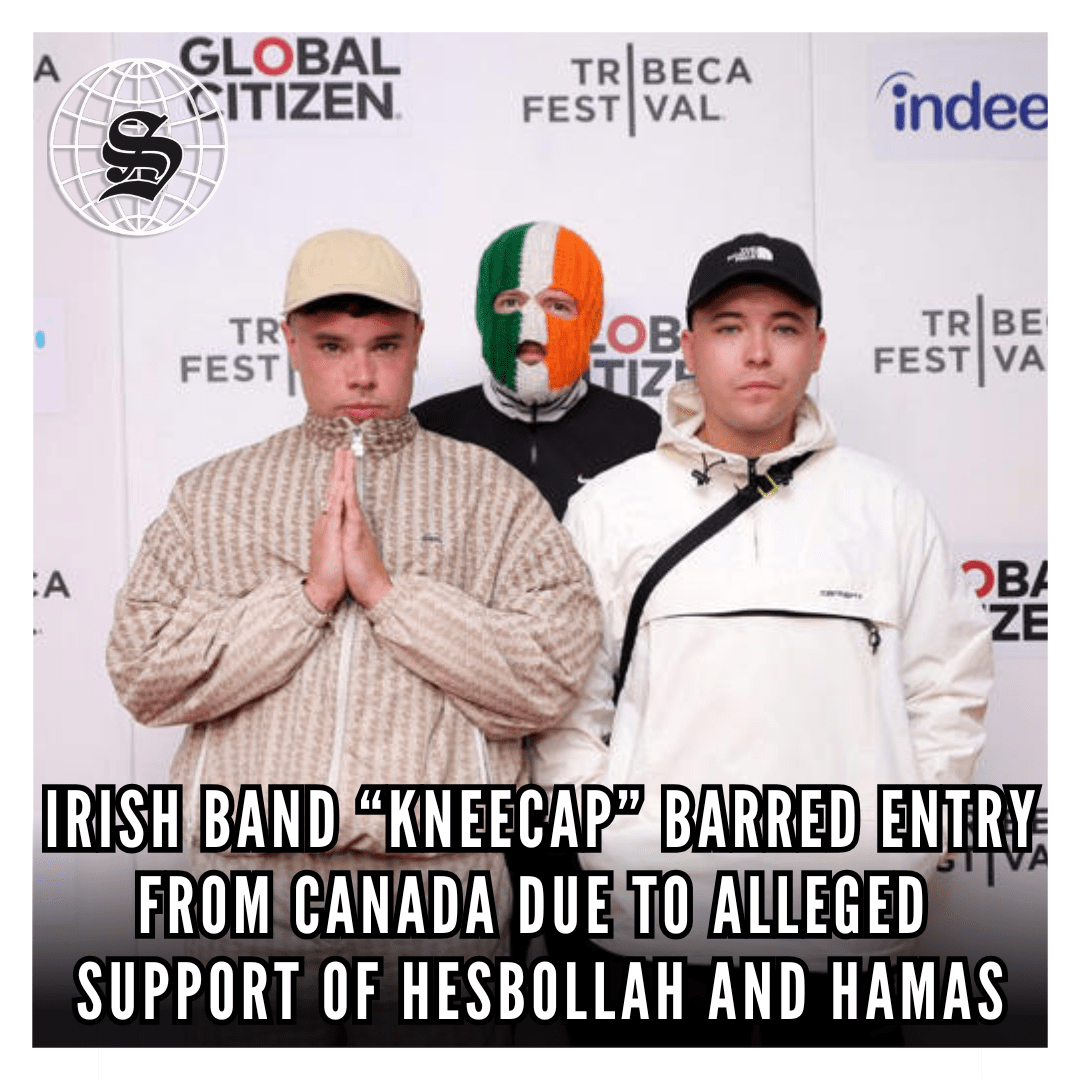
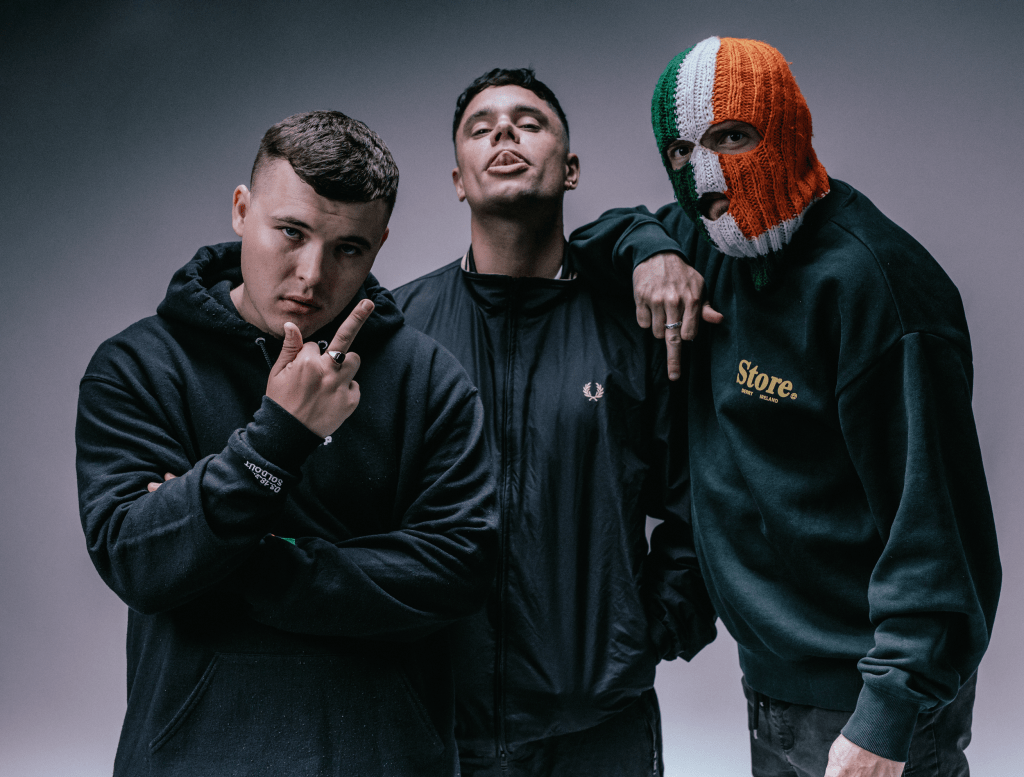
The Canadian government’s recent decision to bar the Irish rap trio Kneecap from entering the country is significant. It is more than an eye-catching headline. It’s a warning sign to artists and creatives alike. It is also a warning to the very premise of free speech. Officials claim the group has “amplified political violence” and allegedly shown support for terrorist organizations like Hamas and Hezbollah. Kneecap denies these allegations outright. They insist that they condemn attacks on civilians. They believe they are being punished for their outspoken opposition to what they call genocide in Gaza.
This is not an isolated incident. Hungary previously imposed a three-year ban on the band. The UK has even launched a terrorism investigation tied to a flag allegedly displayed at one of their shows. No convictions have been made, but the accusations alone have been enough to derail tours and silence their voice. By stretching the definition of “support for terrorism” into the realm of protest and symbolism, governments risk criminalizing dissent. That should alarm anyone who values free expression.
The deeper problem is how subjective and selectively enforced these standards are. Displaying a flag or making politically charged statements can trigger bans. It can also lead to international blacklisting. The line between genuine security concerns and censorship becomes dangerously blurred.
What This Means for Artists Who Speak Out
This isn’t just about Kneecap—it’s about what comes next for music, culture, and international solidarity. Artists have always been central to protest movements. Examples include Bob Dylan, Fela Kuti, and Rage Against the Machine. Today, many artists are raising their voices against Israel’s actions in Gaza. Many are finding themselves silenced. They are deplatformed or blacklisted for it.
For the global music industry, this has chilling implications:
- Promoters and venues may avoid booking politically outspoken acts altogether, fearing backlash or legal consequences.
- Festivals may sidestep controversy, limiting diversity of voices in favor of safe, apolitical entertainment.
- Artists may self-censor on issues like Palestine to preserve their international touring rights and careers.
The danger here is broader than one rap group. If solidarity with Palestinians—or any oppressed group—can be branded as “terrorist support”, then artists across the world risk losing their platforms. They also risk losing their mobility and their livelihood for daring to speak out.
A Crossroads for Democracy and Art
At its core, Canada’s ban on Kneecap represents a crossroads. Will democratic nations uphold the principles of free speech? Or will they weaponize vague security claims to silence inconvenient voices? This is not about excusing violence. It’s about ensuring that political expression and protest remain protected. This protection is important even when they challenge powerful allies or dominant narratives.
If governments continue down this path, dissenting artists will face a future. Their ability to create, perform, and connect with audiences will be dictated by political comfort. It will not depend on the quality of their work. That undermines both democracy and art.
Kneecap’s case tests the extent to which authorities will mute criticism. They aim to silence dissent against war crimes and human rights abuses. If their ban becomes a template, we may soon find ourselves in a world. In this world, speaking truth through music is no longer an act of rebellion. Instead, it’s an act that gets you exiled.
 Sonus Magazine