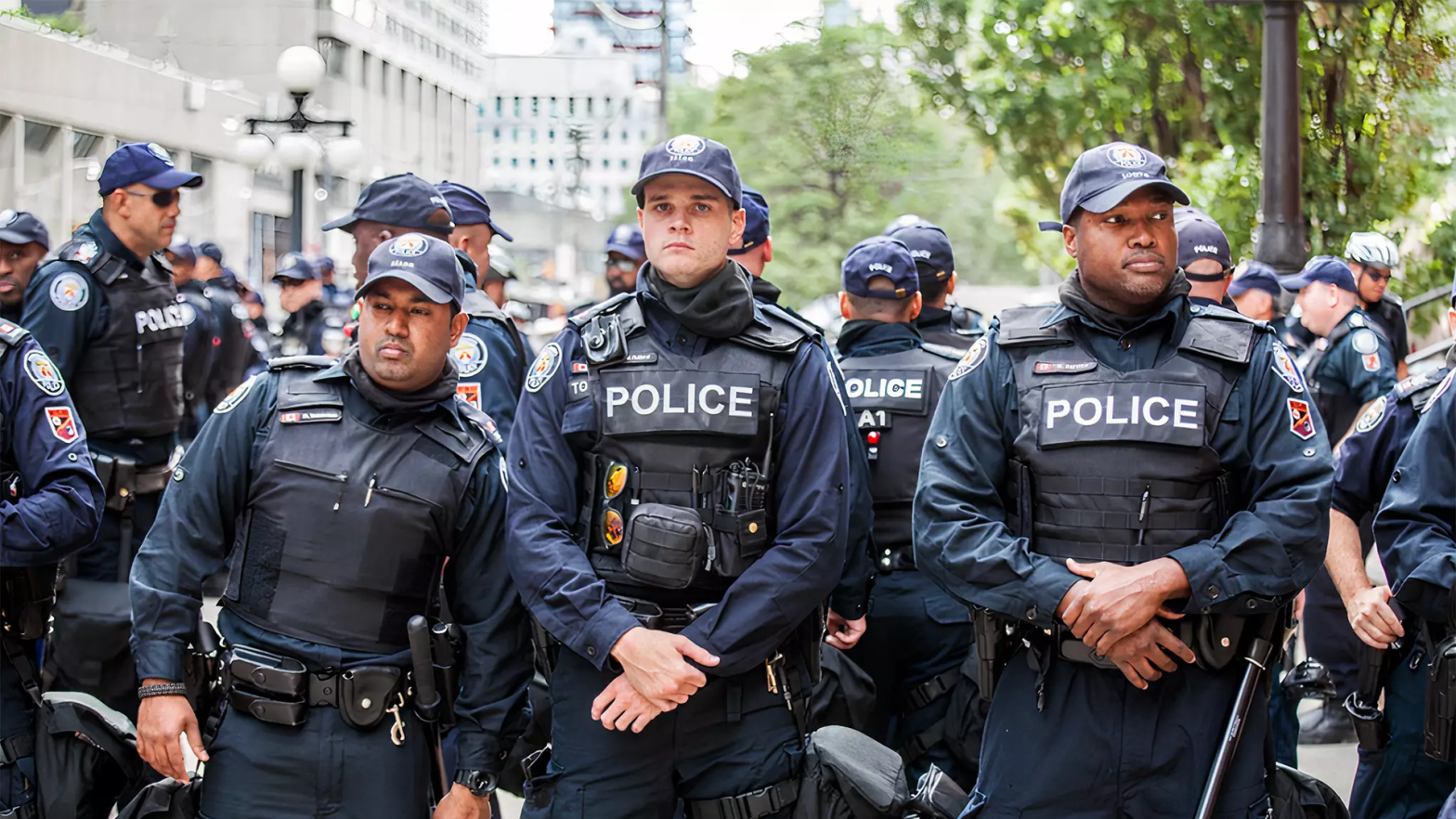
For generations, Canadians have viewed their communities as among the safest in the world for children. Yet a disturbing pattern of high-profile missing child cases across multiple provinces is forcing many families to question that belief. From Nova Scotia and Quebec to Alberta and beyond, the disappearance of young children has exposed troubling gaps in prevention, public awareness, and investigative outcomes.
While every case is unique, one painful reality remains constant: too many families are still waiting for answers.
Nova Scotia’s Heartbreaking Mystery Raises National Concerns
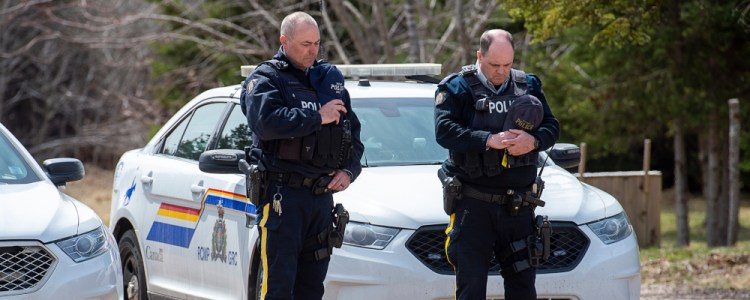
Few cases have captured national attention more than the disappearance of six-year-old Lilly Sullivan and four-year-old Jack Sullivan in rural Nova Scotia. The siblings vanished in May 2025, triggering one of the province’s largest search efforts in recent memory. Search teams, drones, police dogs, and hundreds of volunteers combed dense wooded terrain, yet no definitive answers emerged.
Months later, court documents revealed the immense scale of the investigation. Authorities conducted dozens of interviews, reviewed thousands of digital files, executed multiple search warrants, and pursued more than a thousand public tips. Despite those efforts, the children remain missing and the case continues to generate public frustration and concern.
The Sullivan case exposed a difficult truth: even with extensive resources and national media attention, investigations can reach a point where answers remain elusive. For many Canadians, that realization has shaken confidence in the systems designed to protect vulnerable children.
Quebec and Ontario Highlight How Quickly Children Can Vanish

In June 2025, the disappearance of three-year-old Claire Bell sparked a frantic search spanning both Quebec and Ontario. After several agonizing days, she was ultimately found alive near a highway in Ontario, far from where she had initially been reported missing. Authorities later laid child abandonment charges against her mother while continuing their investigation into the circumstances surrounding the case.
Although Claire was found safely, the incident demonstrated how rapidly a child can disappear and how complex investigations can become when they cross provincial boundaries.
The case also highlighted another growing concern: the increasing number of incidents involving very young children. While some missing child investigations conclude with safe recoveries, each case places enormous strain on law enforcement agencies and leaves communities anxiously awaiting updates.
Parents across Ontario and Quebec watched the search unfold in real time, raising questions about whether more preventative measures, education campaigns, and support services could help reduce similar incidents before they occur.
Alberta’s Search for Darius MacDougall Reveals the Limits of Rescue Efforts
In Alberta, six-year-old Darius MacDougall disappeared while camping with family near Crowsnest Pass in September 2025. Search-and-rescue teams launched a massive operation involving helicopters, drones, tracking dogs, underwater specialists, and hundreds of personnel. More than 22 square kilometers of challenging wilderness terrain were searched.
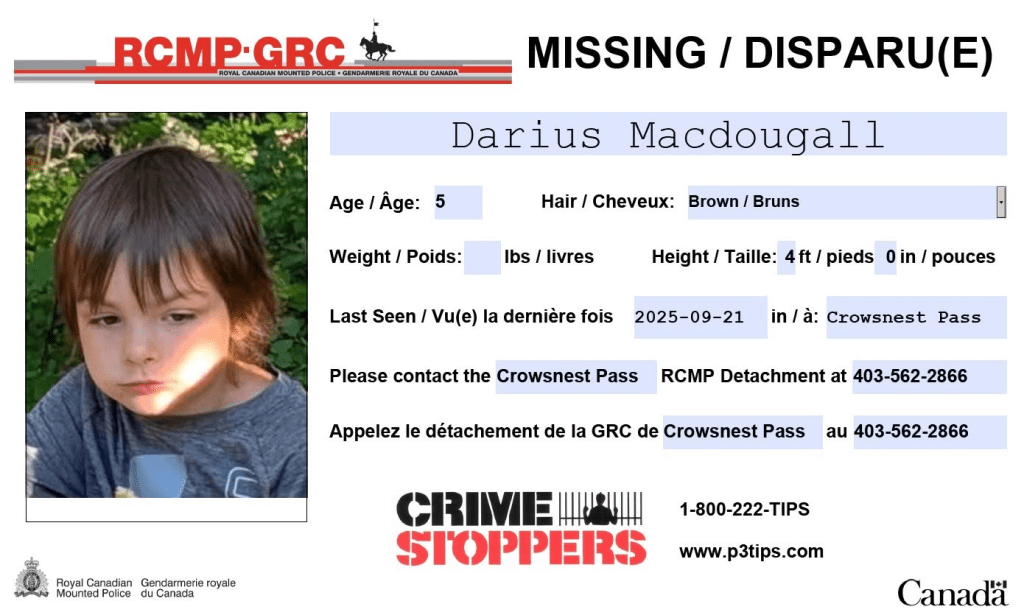
Yet after nearly two weeks, officials announced the search had been scaled back without finding the child. Investigators stated there was no evidence of foul play, but the disappearance remains unresolved.
Public discussion surrounding the case intensified online, with community members expressing frustration, grief, and concern about the circumstances surrounding Darius’s disappearance. A family statement shared through social media emphasized the extensive efforts made by relatives and search teams while urging the public to avoid speculation.
The tragedy illustrates a harsh reality faced by search-and-rescue organizations across Canada: even when resources are deployed rapidly and extensively, difficult terrain and limited evidence can dramatically reduce the likelihood of finding a missing child.
Canada is not experiencing a single epidemic caused by one factor. Instead, these cases reveal a combination of challenges—including rural isolation, family instability, inadequate supervision, mental health concerns, communication gaps, and the simple reality that children can disappear in moments.
What makes the trend especially troubling is not only the number of incidents that receive public attention, but the fact that many remain unresolved long after media coverage fades. Families are left waiting, communities are left wondering, and investigators continue searching for answers that may never come.
The cases of Lilly and Jack Sullivan, Claire Bell, and Darius MacDougall serve as painful reminders that Canada’s reputation for safety does not make it immune to tragedy. Until governments, communities, and child-protection organizations invest more aggressively in prevention, education, and rapid-response strategies, more families may find themselves facing every parent’s worst nightmare—a child who disappears without explanation.
And for those families, the passage of time rarely brings closure. It simply extends the uncertainty.

 Sonus Magazine